CYBERBID E-Auction
UI/UX Detailed Case Study
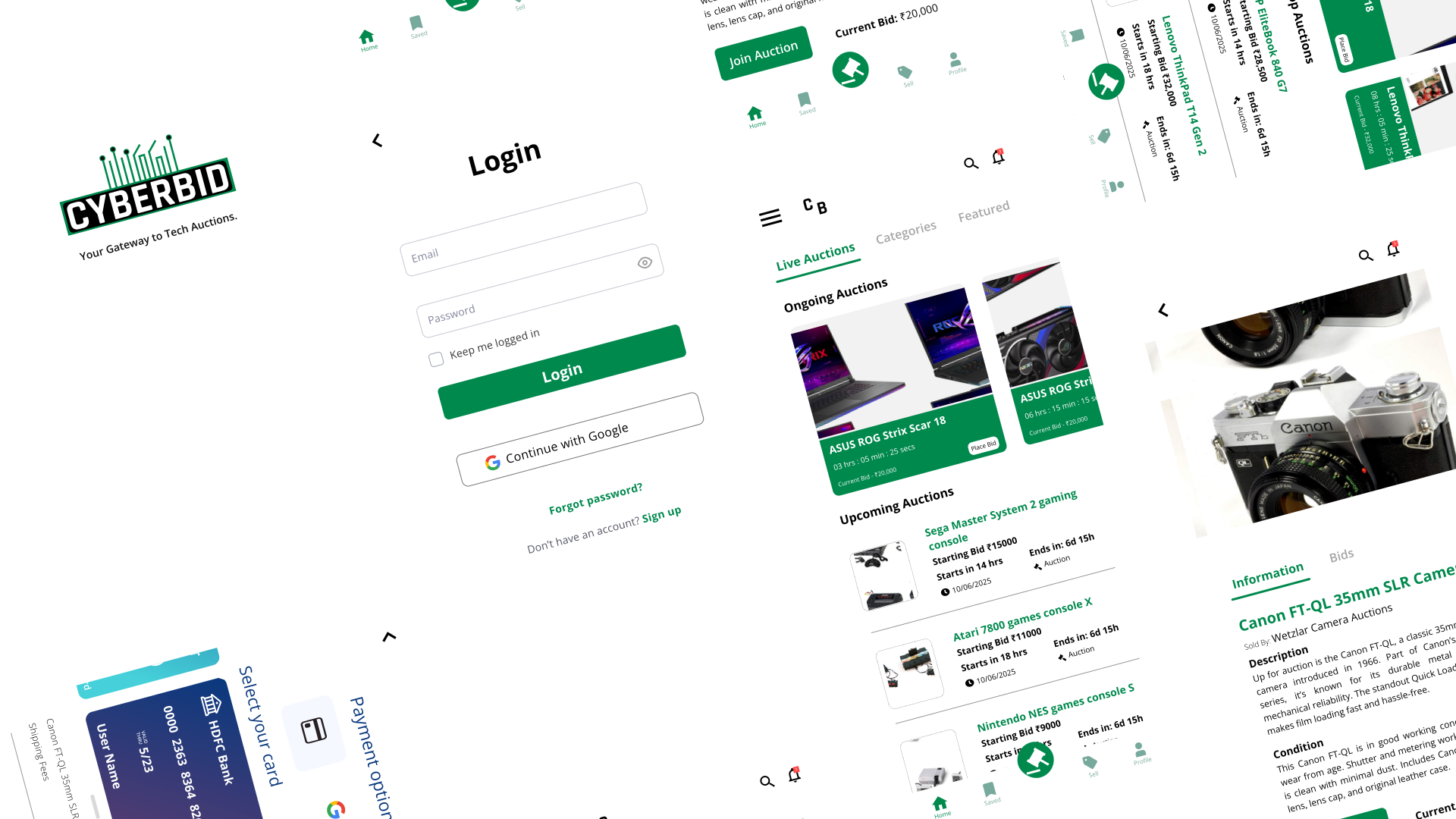
Hi everyone!
Imagine you’re a buyer at a growing company, tasked with procuring laptops, desktops, or accessories. The traditional way? Endless phone calls, scattered emails, and bulky spreadsheets that make comparing slow and frustrating.
On the other side, sellers face the same struggle — outdated systems, missed opportunities, and a lack of transparency that takes the excitement out of competitive bidding.
Now, imagine having a single mobile app where sellers can create auctions in just a few taps, buyers can place bids in real time, and everyone gets a clear, engaging, and transparent experience — right from their smartphones.
That’s what inspired me to design CyberBid Auction — a next-generation mobile eAuction platform built to make online auctions smarter, faster, and more engaging.
In this case study, I’ll walk you through how I approached the problem, uncovered key user pain points, and designed a high-fidelity prototype that turns complex auction workflows into a seamless mobile experience.
Part 1 – Quick Summary
○ Sprint – The spark to reimagine fragmented auction workflows for buyers and sellers.
○ Shaping the problem statement from real challenges.
○ Defining the need for a mobile-first eAuction platform.
○ Spotting buyer and seller pain points in auctions.
○ Finding gaps in tools for simplicity, fairness, and ease.
○ Designing an End-to-End Auction Experience.
○ Showcasing the final high-fidelity UI screens.
Part 2 – Work Process
○ Defined the problem space with research & hypotheses.
○ Conduct primary and secondary research.
○ Validated pain points with user insights.
○ Built personas and mapped journeys.
○ Created HMWs, user flows, and IA.
○ Designed wireframes → high-fidelity UI.
○ Created a prototype and ran usability tests.
○ Summarized future scope & key learnings.
Sprint – The Spark to Reimagine Auction Workflows
CYBERBID Auction was the first project I took up as part of my UI/UX Bootcamp Capstone journey.
I wanted to challenge myself to own the end-to-end UX cycle — from identifying the problem space to validating the solution through a high-fidelity prototype.
The sprint, conducted under the bootcamp framework, encouraged us to tackle real-world challenges using
user-centered design principles. I chose to design an eAuction mobile application,
aimed at fixing the fragmented, time-consuming, and outdated workflows of traditional auctions for both buyers and suppliers.
This project allowed me to apply everything I had learned — from user research, persona creation,
and user flows, to wireframing, UI design, and usability testing — all with the goal of creating a seamless,
engaging, and competitive mobile auction experience.
Shaping the problem statement from real challenges.
A brief about CYBERBID Auction
CyberBid Auction is a next-generation mobile eAuction app designed to connect sellers who post products
with buyers who bid on them. The platform creates a transparent, competitive, and engaging marketplace
by bringing auction creation, bidding, and awarding into one seamless mobile experience.
Why I chose online auctions as a problem to solve
Buying and selling through traditional auctions is often fragmented, time-consuming, and inefficient.
Sellers rely on outdated methods to reach buyers, while buyers struggle with scattered platforms and
lack of real-time engagement. I wanted to reimagine this space with a mobile-first eAuction platform
that makes the process faster, fairer, and more intuitive for both sides.
I decided to focus on transparency and end-to-end experience. Why?
○ Transparency – Buyers and sellers both need a fair, real-time view of auctions, bids, and outcomes.
○ End-to-end experience – Instead of juggling emails, calls, or multiple tools, the app provides a single place
for posting items, bidding, tracking, and final awarding. This reduces friction and builds trust.
These focus areas were shaped by primary and secondary research, including conversations with frequent buyers,
small-to-mid sellers, and analysis of competitive auction apps.
Users I had in mind before moving ahead
○ Sellers: Small businesses, retailers, and individuals posting products or lots for auction.
○ Buyers: Professionals, businesses, and individuals who want a quick, fair, and engaging way to bid and purchase items.
Problem Statement:
Design a mobile-first eAuction platform from scratch that connects sellers and buyers in a transparent, fair, and competitive marketplace. The app should streamline the process from auction posting to bidding and awarding, while making online auctions simple, engaging, and trustworthy.
Defining the need for a mobile-first eAuction platform.
○ Traditional auction platforms are largely web-first, not optimized for mobile use
○ Lack of a seamless, on-the-go experience for bidders and sellers
○ Existing solutions are fragmented — users navigate between multiple apps/sites for discovery, bidding, and payments
○ Limited personalization based on user interests, budget range, and bidding history
○ Complex interfaces create barriers for first-time or casual users
○ Needed to define everything from feature set, bidding flow, IA, and UI design with a mobile-first approach
○ Focused on creating value through transparency, ease of use, and real-time engagement
○ Goal: Build a mobile-first eAuction platform that simplifies participation while ensuring trust and accessibility
Spotting buyer and seller pain points in auctions.
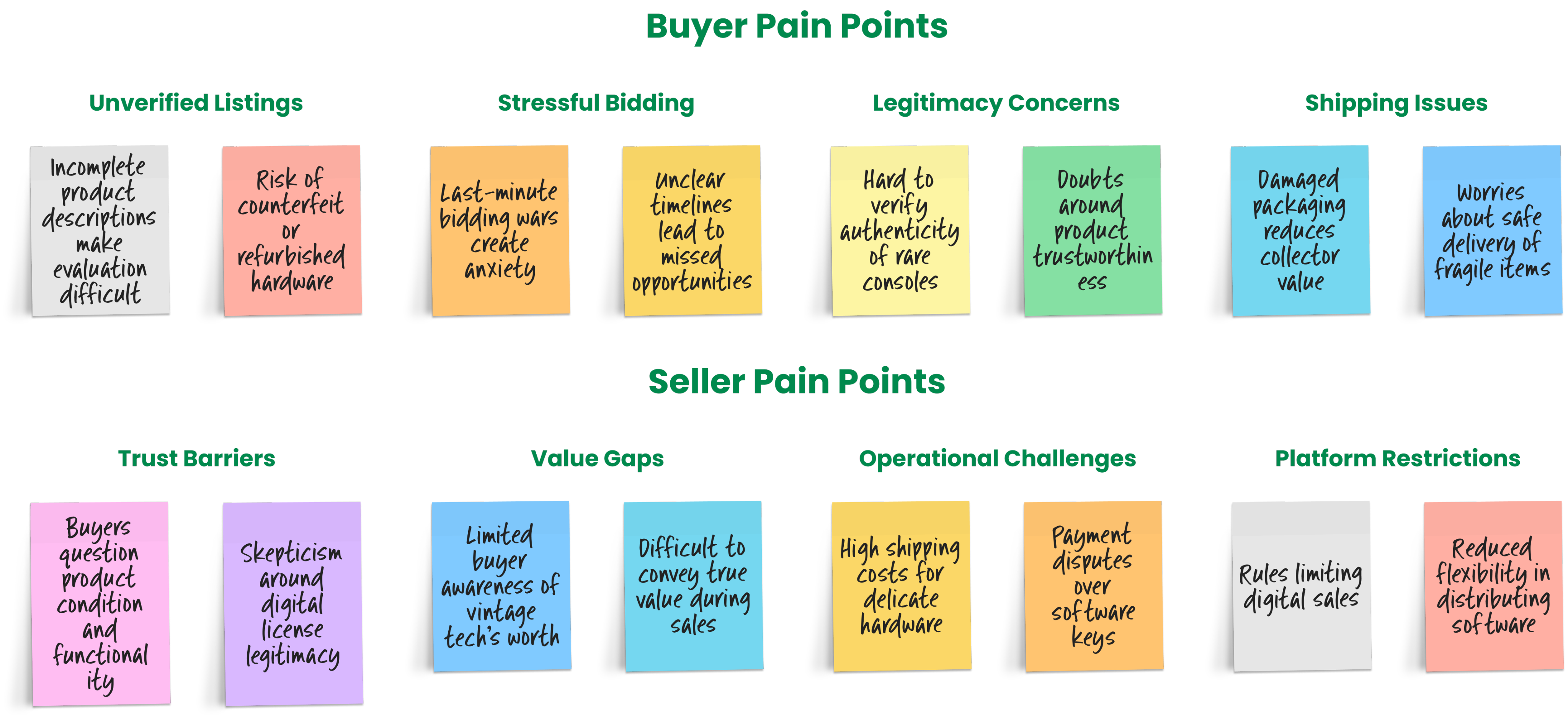
Validating Pain Points Through Research Insights
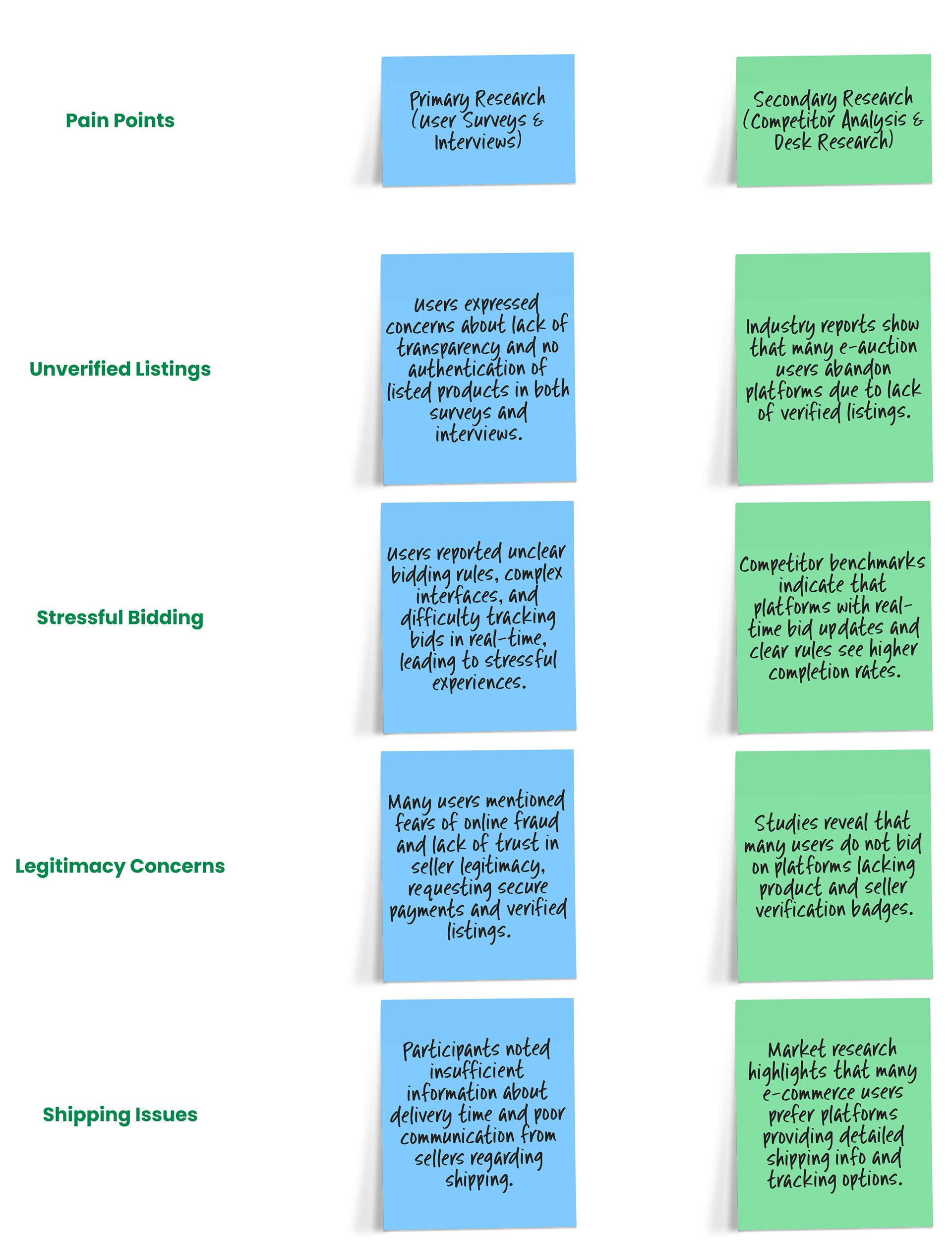
Buyer Pain Points
○ Unverified Listings → 68% of buyers reported encountering incomplete product descriptions or concerns about counterfeit/refurbished hardware.
○ Stressful Bidding → 59% felt anxious due to last-minute bidding wars and unclear auction timelines.
○ Legitimacy Concerns → 54% struggled to verify authenticity of rare consoles or collectibles.
○ Shipping Issues → 47% experienced damaged packaging or worried about safe delivery of fragile items.
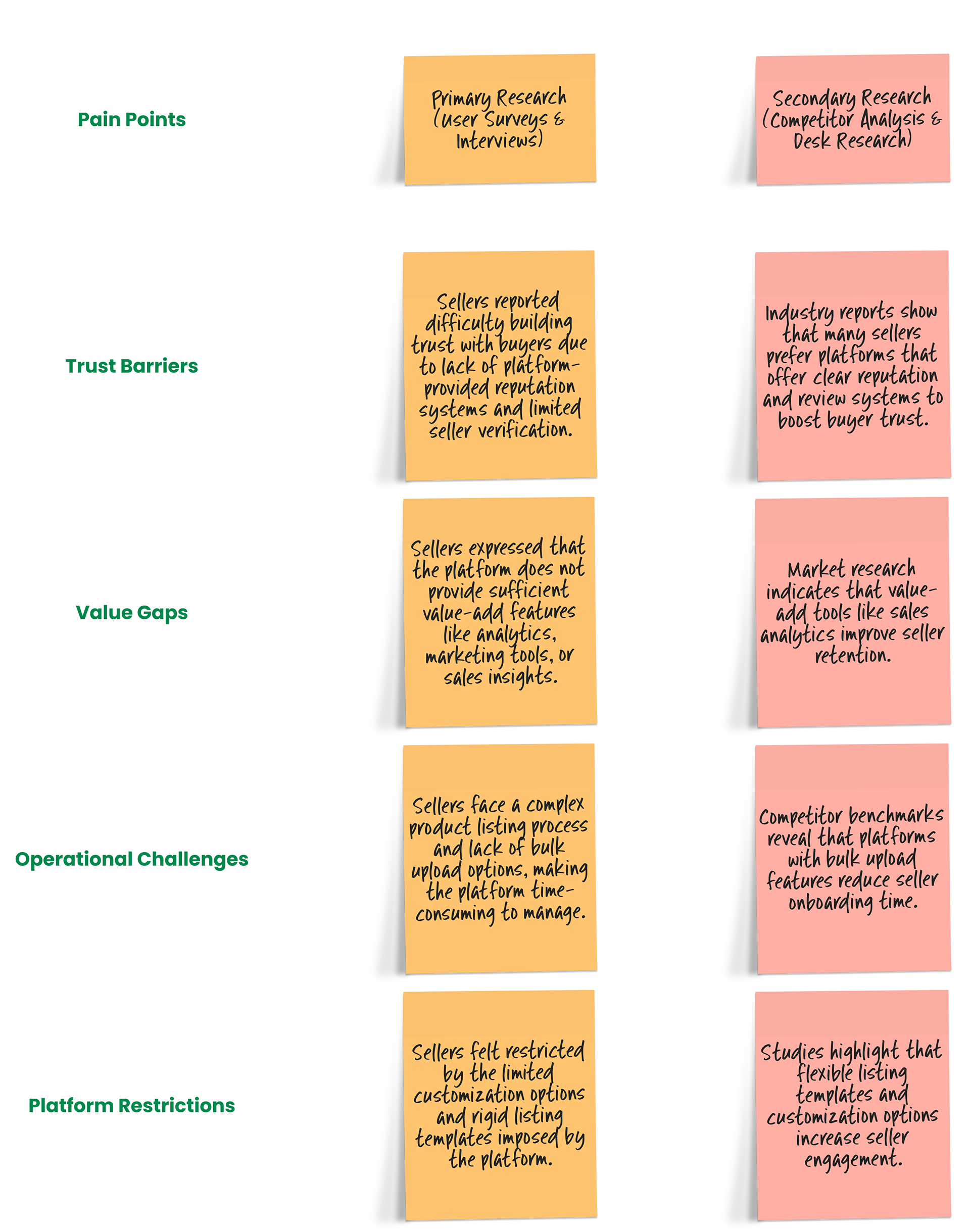
Seller Pain Points
○ Trust Barriers → 63% of sellers noted buyers frequently questioned product condition or legitimacy of digital licenses.
○ Value Gaps → 52% indicated buyers were unaware of the true value of vintage tech, making sales challenging.
○ Operational Challenges → 49% reported high shipping costs or payment disputes over software keys.
○ Platform Restrictions → 45% faced limitations on digital sales, reducing flexibility in listing and distribution.
Finding gaps in tools for simplicity, fairness, and ease.
Lack of Personalization
○ Most platforms provide generic listings and recommendations, not tailored to buyer interests, budgets, or collector preferences
○ No smart suggestions based on past bidding behavior, saved searches, or item categories
Fragmented Tools & Processes
○ Buyers and sellers often rely on multiple apps or sites for discovery, bidding, payments, and shipping
○ Leads to confusion, missed opportunities, and a fragmented auction experience
Limited User Control
○ Sellers have restricted flexibility in listing formats or auction types (timed, reserve, or buy-now)
○ Buyers have little control over notifications, bidding alerts, or customizing their watchlists
Complex and Overwhelming UI
○ Information is often cluttered or inconsistent across platforms
○ New or casual users find it difficult to navigate bidding flows or verify item authenticity
Missed Opportunity for End-to-End Auction Experience
○ Most platforms focus only on listing or bidding
○ Few support the entire journey — from discovering items, verifying authenticity, bidding, payment, to secure delivery
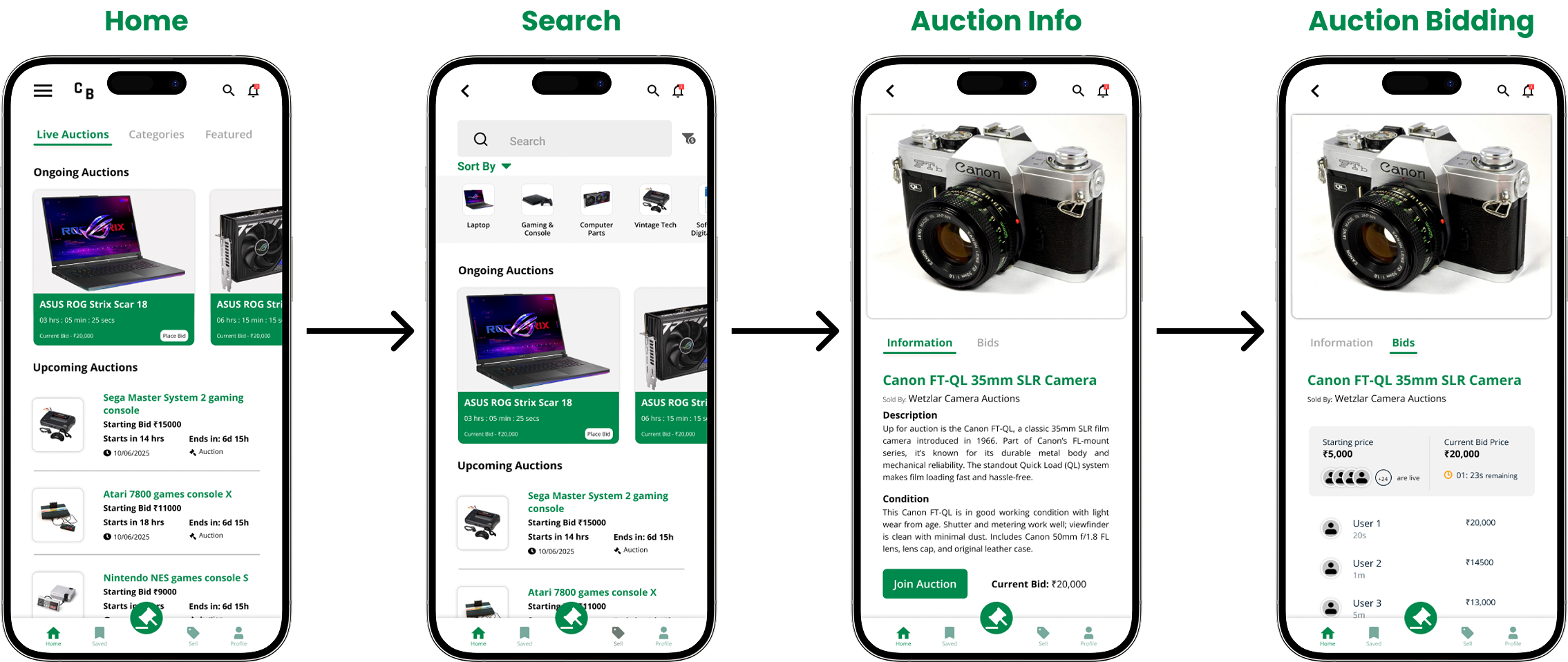
Designing an End-to-End Auction Experience
User Flow Registration / Home
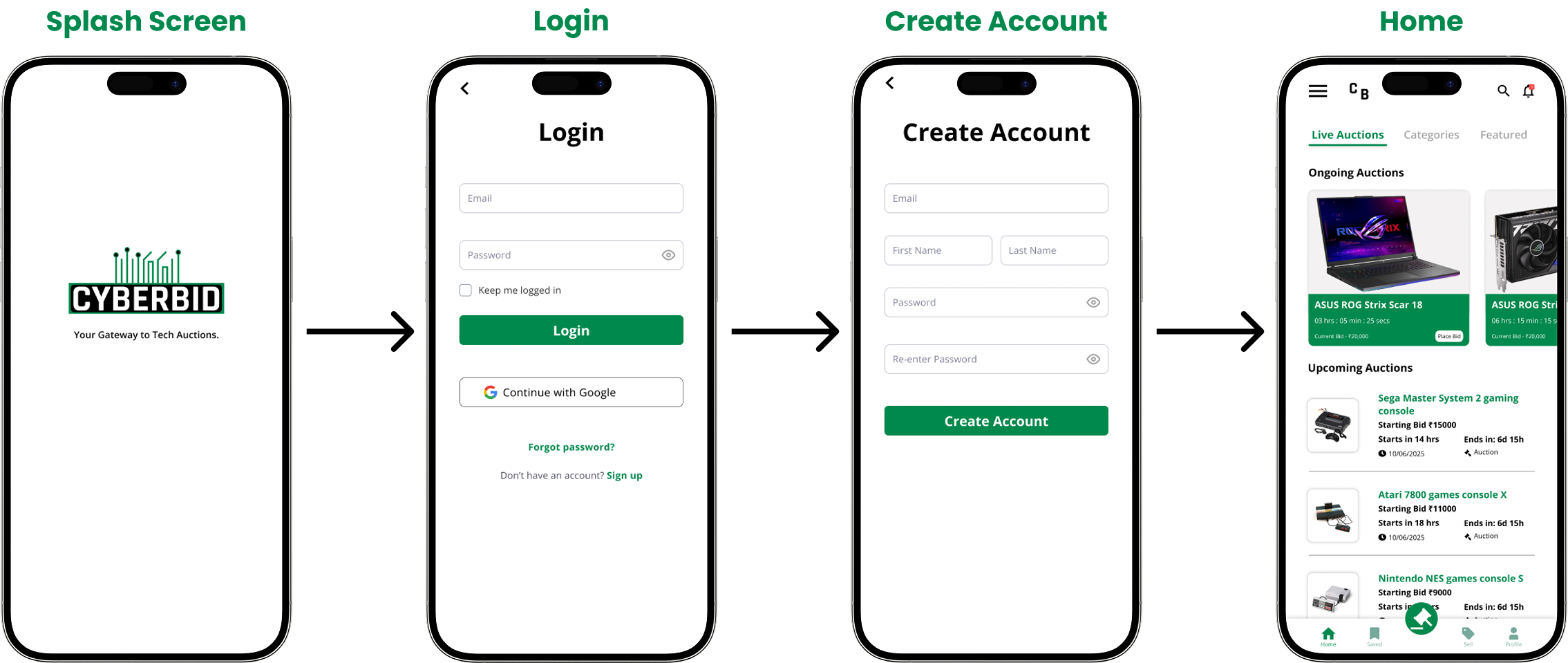
User Flow - Buyer
User Flow - Seller
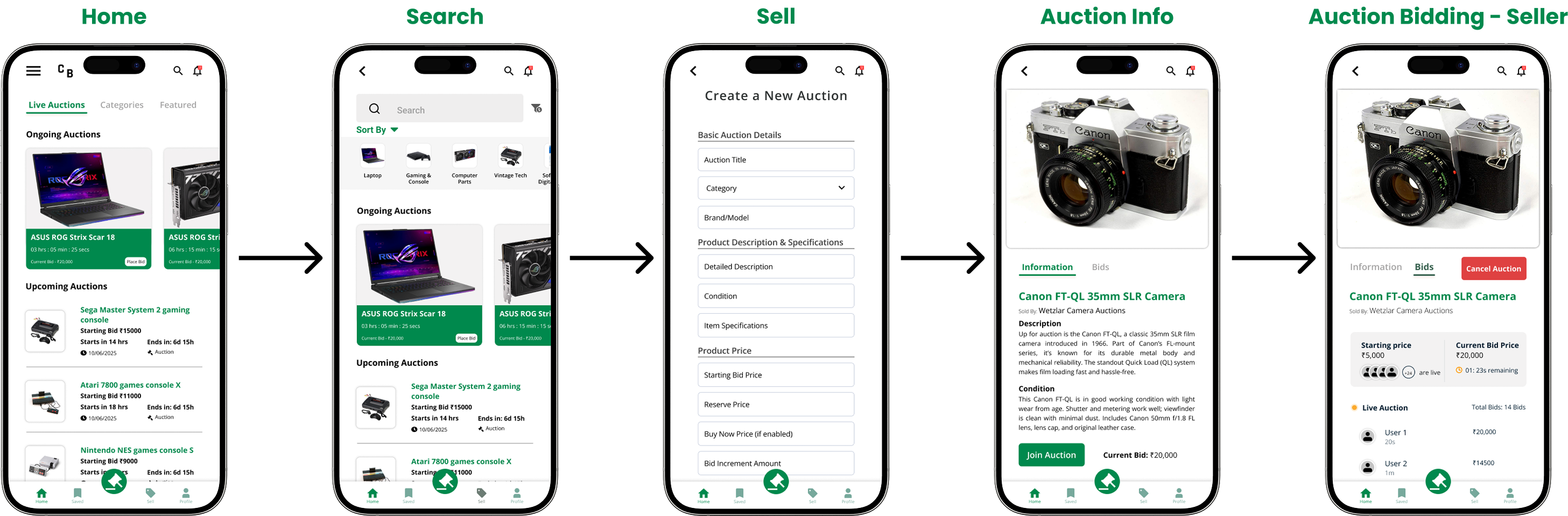
Showcasing the final high-fidelity UI screens.
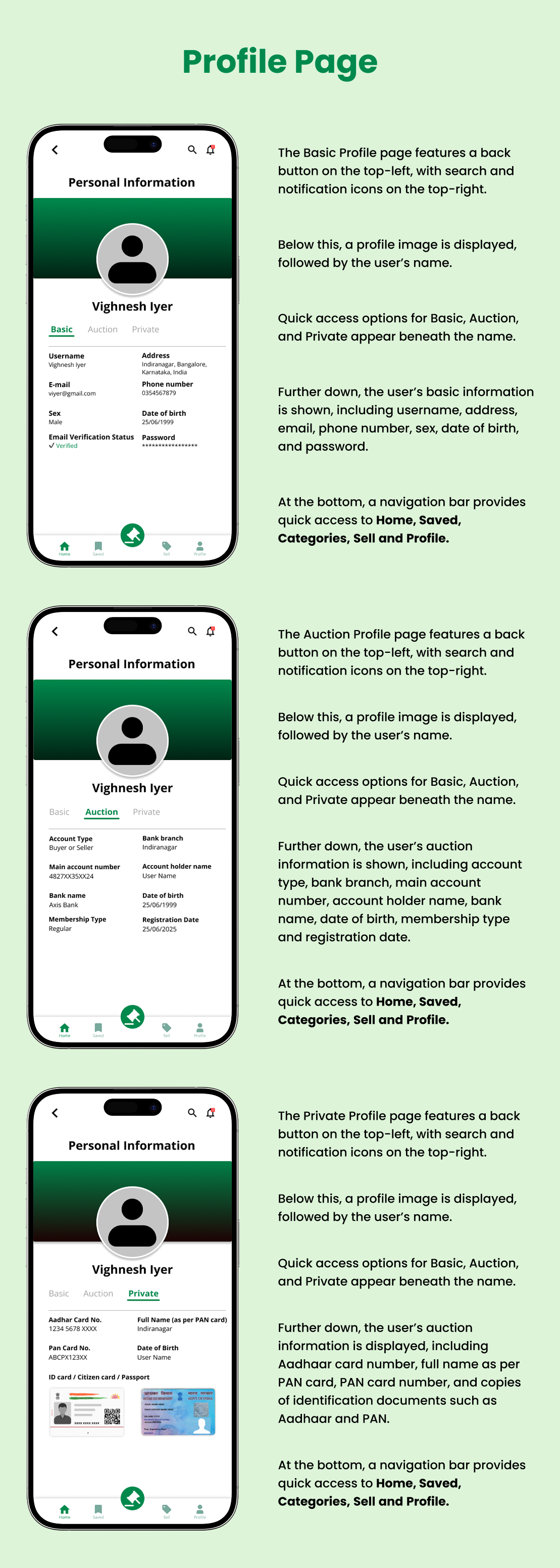
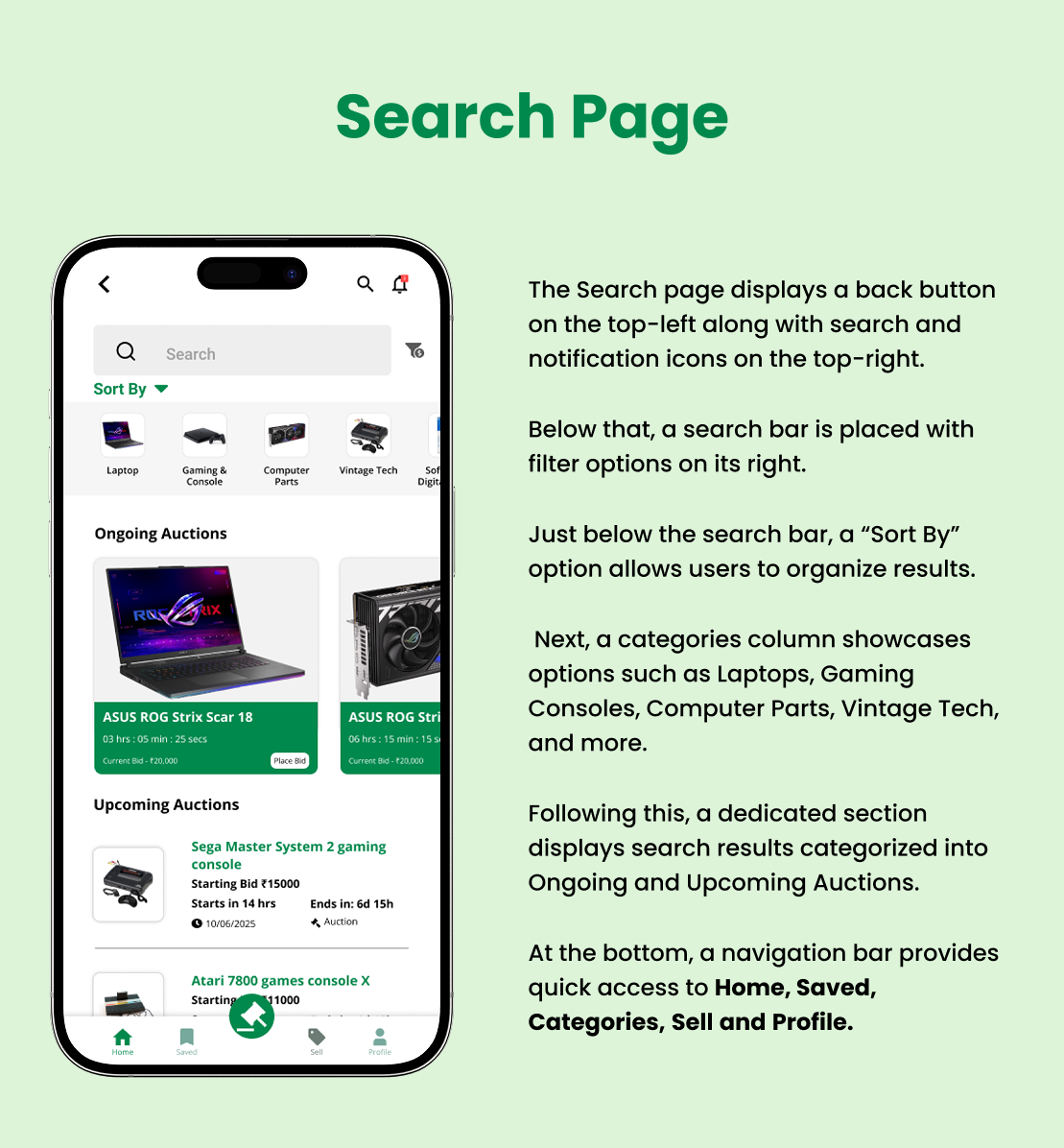
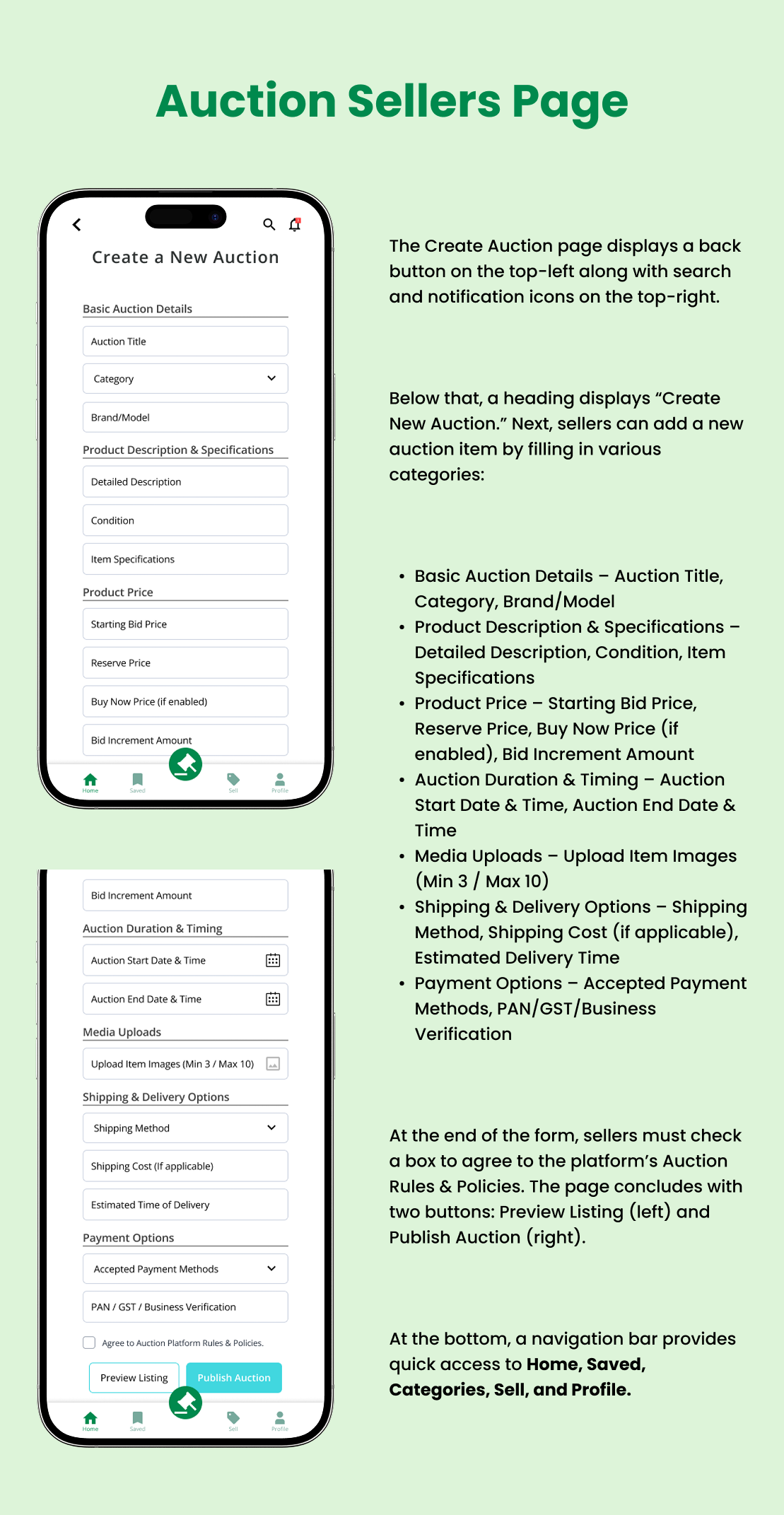
Defined the problem space with research & hypotheses.
Defined the Problem
○ Project Brief: Design an eAuction application that connects buyers and sellers of collectibles, vintage technology, and digital goods.
The platform should ensure secure bidding, verified listings, and streamlined auction flows to build trust, reduce transaction risks, and provide a seamless user experience.
○ Target Audience: Buyers and sellers of collectible electronics, vintage tech, and digital goods (aged 18–60) in Tier 1 & 2 Indian cities,
who face challenges with authenticity, unclear auction timelines, high shipping risks, and restrictive platform policies.
Key Pain Points - Buyer:
○ Unverified Listings – Incomplete product descriptions make evaluation difficult; risk of counterfeit or refurbished hardware.
○ Stressful Bidding – Last-minute bidding wars create anxiety; unclear timelines lead to missed opportunities.
○ Legitimacy Concerns – Hard to verify authenticity of rare consoles; doubts around product trustworthiness.
○ Shipping Issues – Damaged packaging reduces collector value; worries about safe delivery of fragile items.
Key Pain Points - Seller:
○ Trust Barriers – Buyers question product condition and functionality; skepticism around digital license legitimacy.
○ Value Gaps – Limited buyer awareness of vintage tech’s worth; difficult to convey true value during sales.
○ Operational Challenges – High shipping costs for delicate hardware; payment disputes over software keys.
○ Platform Restrictions – Rules limiting digital sales; reduced flexibility in distributing software.
Initial Hypotheses:
○ Verified Listings & Transparency – Clear product descriptions, verified sellers, and authenticity checks will reduce buyer hesitation and increase trust.
○ Streamlined Bidding Experience – Structured timelines, bid notifications, and automated bidding options will lower anxiety and reduce missed opportunities.
○ Enhanced Trust Mechanisms – Seller verification, escrow-based payments, and authenticity guarantees will address legitimacy concerns.
○ Reliable Shipping & Handling – Secure packaging, insurance, and real-time tracking will reassure both buyers and sellers.
○ Value Awareness Tools – Market insights and benchmarks will help sellers communicate true value and enable buyers to make informed decisions.
○ Flexible Platform Policies – Allowing safer digital sales and broader category options will increase seller participation and platform growth.
Conduct primary and secondary research
Primary Research (User Surveys & Interviews)
I conducted surveys and interviews with buyers and sellers participating in e-auctions across India.
The objective was to uncover key frustrations, desired features, and operational pain points in using
online auction platforms.
Key insights:
○ Users face unverified listings causing trust issues and fear of fraud.
○ Complex or unclear bidding processes lead to stressful and abandoned auctions.
○ Lack of legitimacy of sellers and products creates fear of scams.
○ Poor communication and insufficient shipping details cause frustration.
○ Sellers struggle with building trust due to missing reputation systems and verification mechanisms.
○ Value gaps arise from a lack of analytics and promotional tools for sellers.
○ Operational challenges include time-consuming listing processes and no bulk upload features.
○ Platform restrictions create rigidity in listing customization, frustrating sellers.
○ These insights validated initial hypotheses and shaped the problem definition for the e-auction platform.
Secondary Research
○ Indian auction platforms are adopting real-time bid tracking, automated alerts, and user-friendly interfaces to reduce friction.
○ Market trends indicate a growing need for verified listings to enhance trust and reduce fraud in online transactions.
○ Bulk listing and analytics tools are increasingly seen as important for sellers, especially small businesses.
Competitor Analysis (Strengths / Gaps)
eBay India -
Strengths: Large inventory with diverse categories; strong global reputation and established buyer protection programs.
Gaps: Complex user interface and insufficient localization for Indian users; minimal customer support and unclear bidding rules.
OLX Auctions -
Strengths: Popular in India for second-hand goods; easy-to-use platform for local transactions with broad user base.
Gaps: Lacks formal auction features like timed bidding; often unverified listings leading to trust issues.
Saffronart -
Strengths: Specialized in art and antiques auctions in India with expert curation and authenticated listings.
Gaps: Niche audience; lacks bulk upload tools or broader seller support features.
PowerBid India -
Strengths: Localized platform for industrial and commercial auctions; strong in asset auctions and auction management.
Gaps: Limited focus on consumer goods; lacks advanced bidding features like real-time updates and intuitive seller tools.
Validated pain points with user insights.
Buyer Pain Points with User Insights
Seller Pain Points with User Insights
Built personas and mapped journeys.
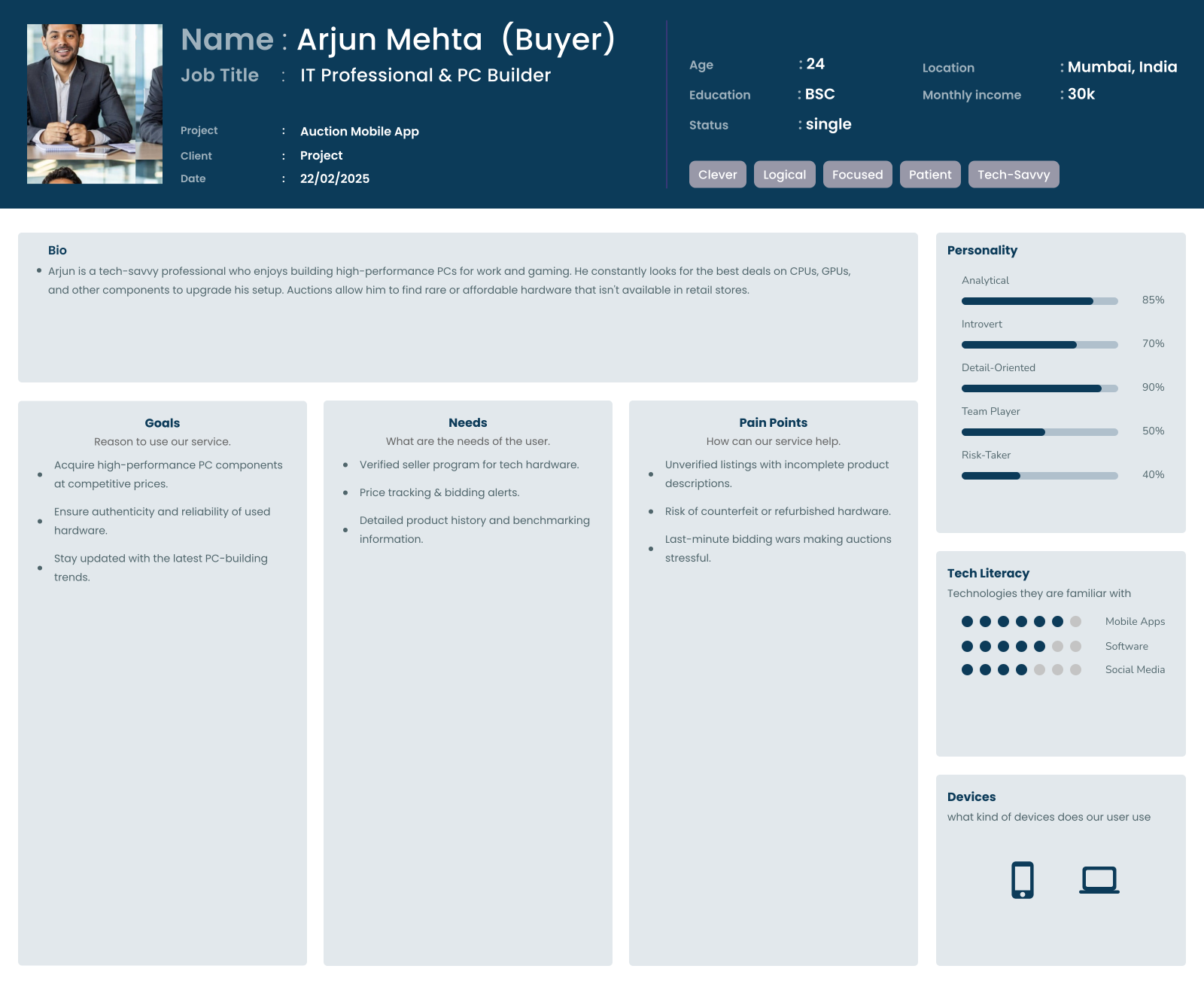
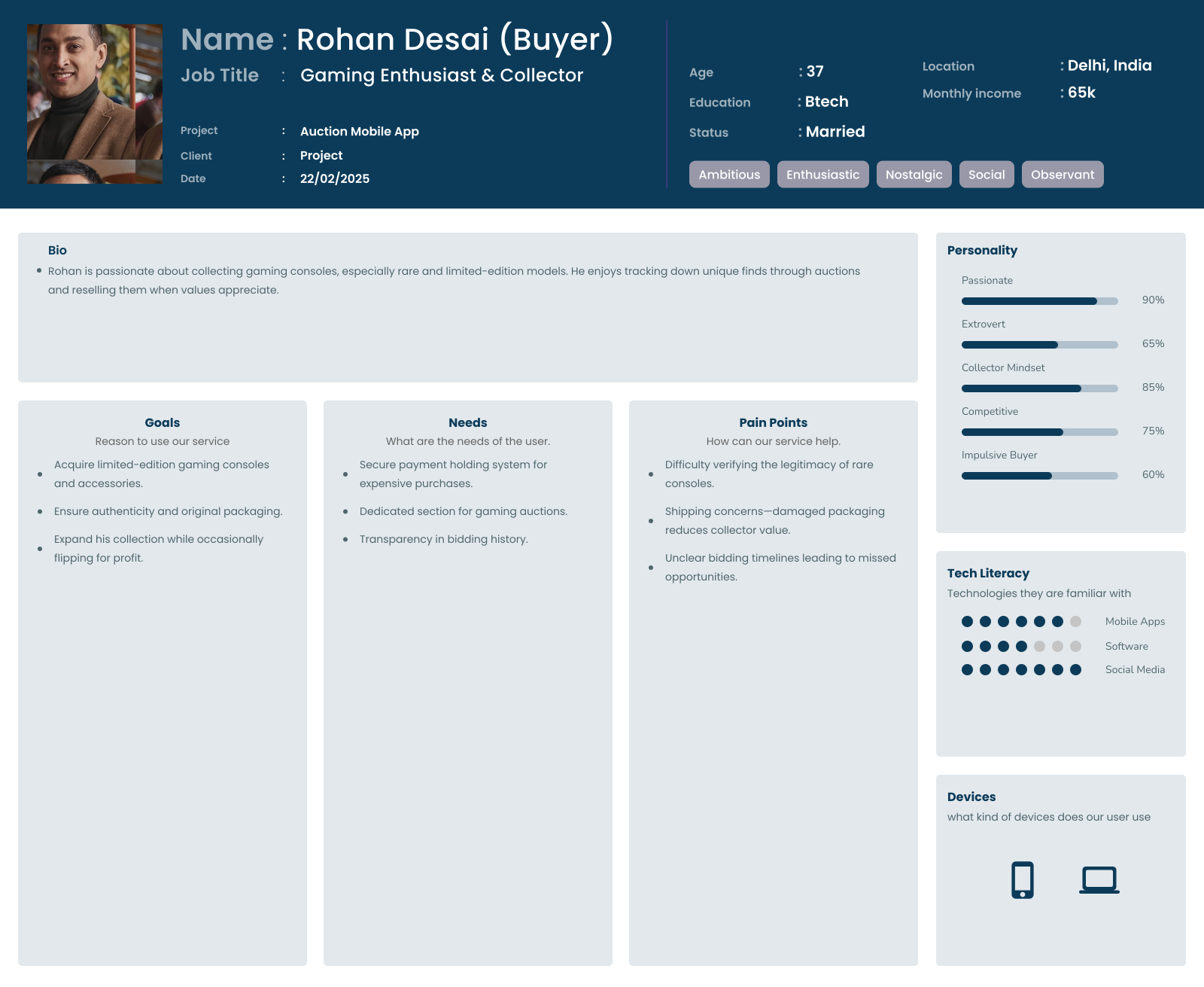
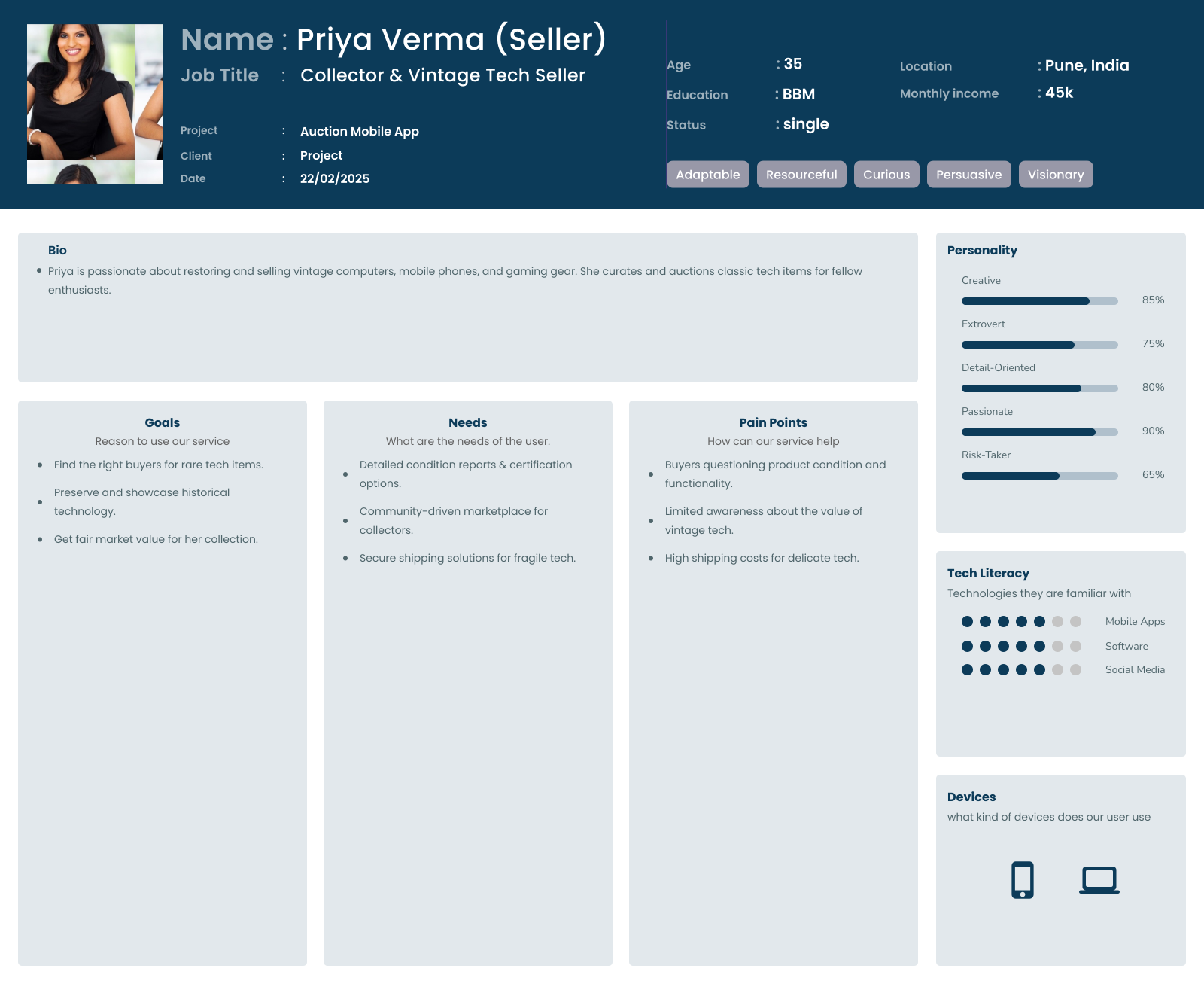
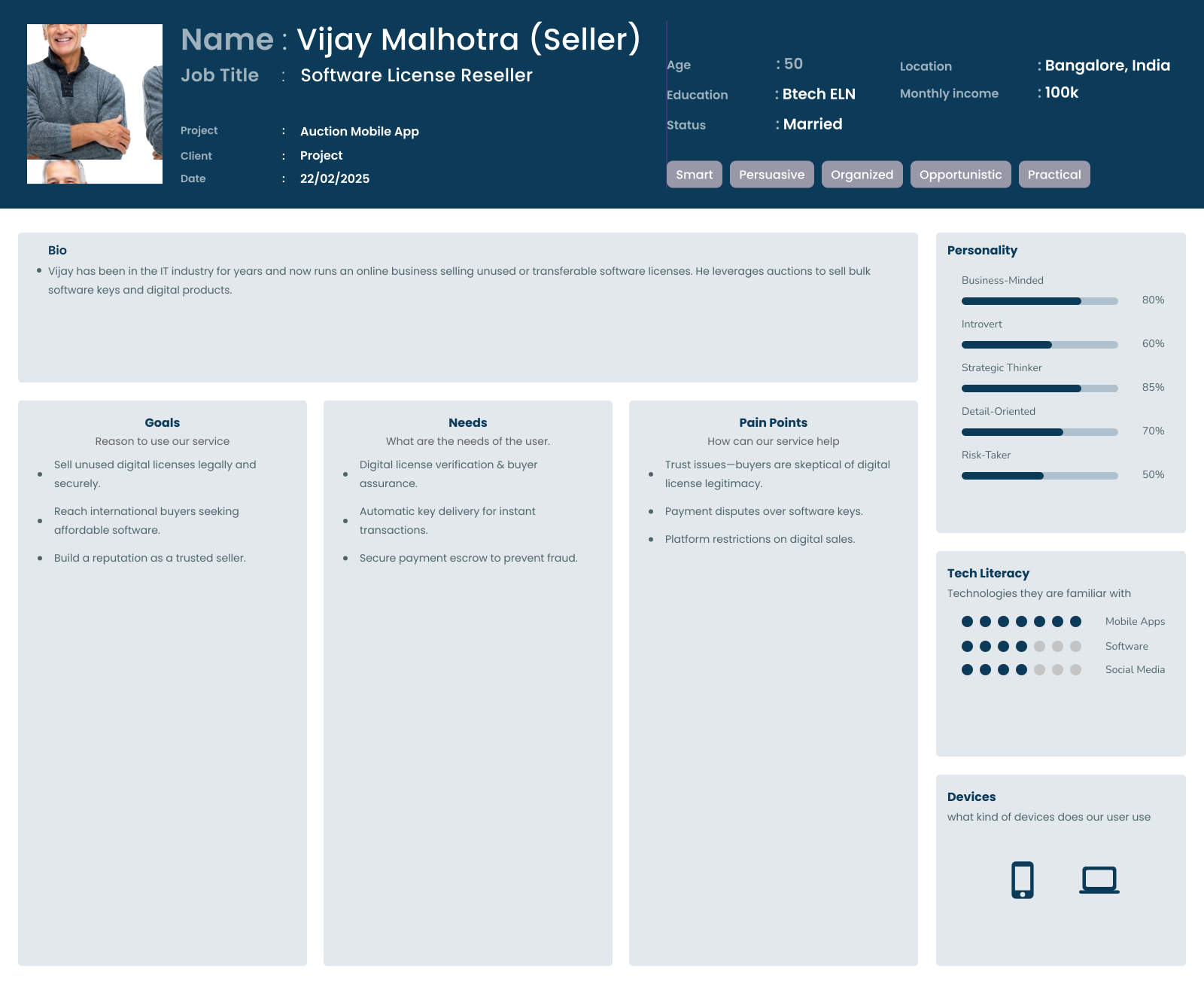
User Personas
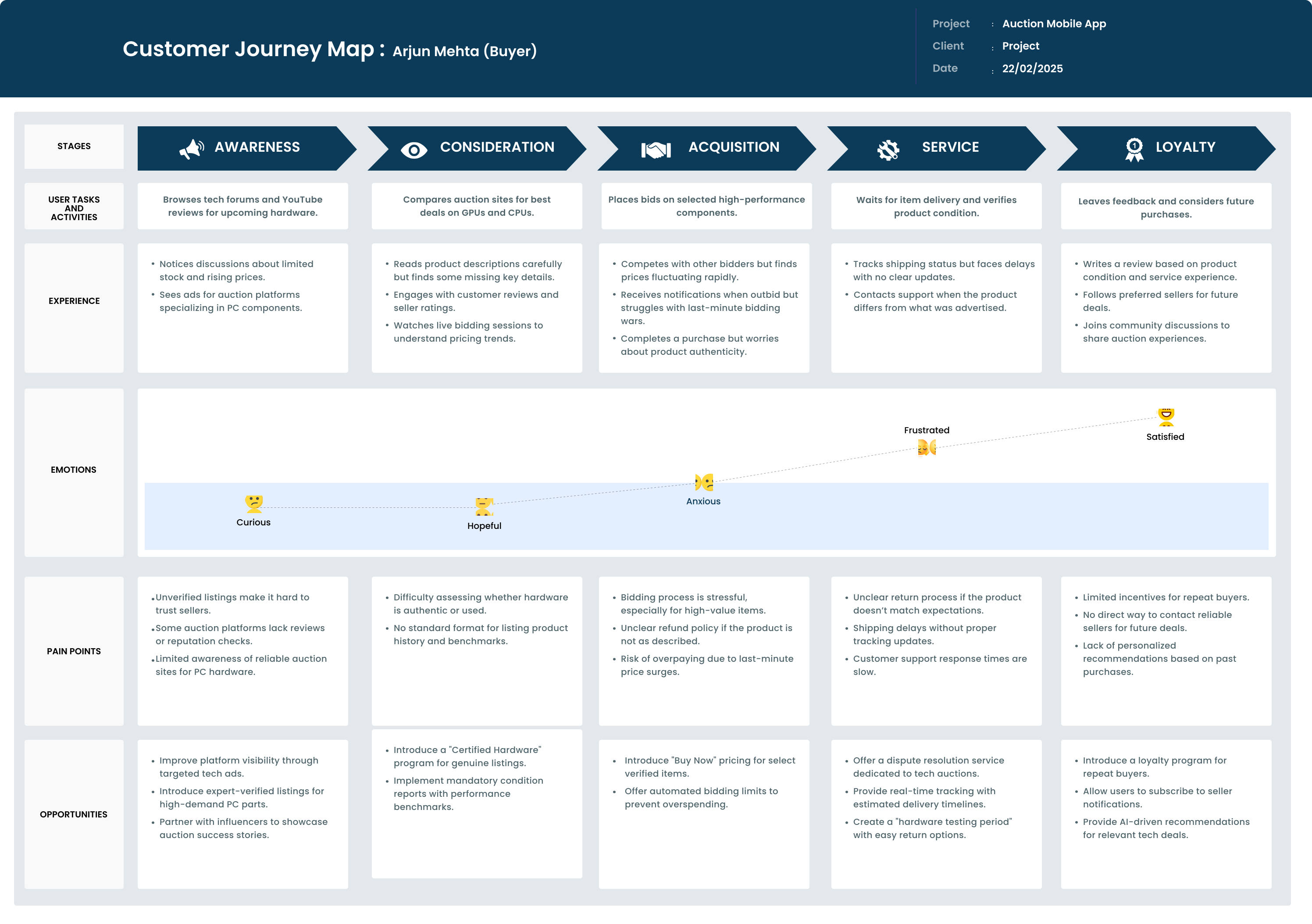
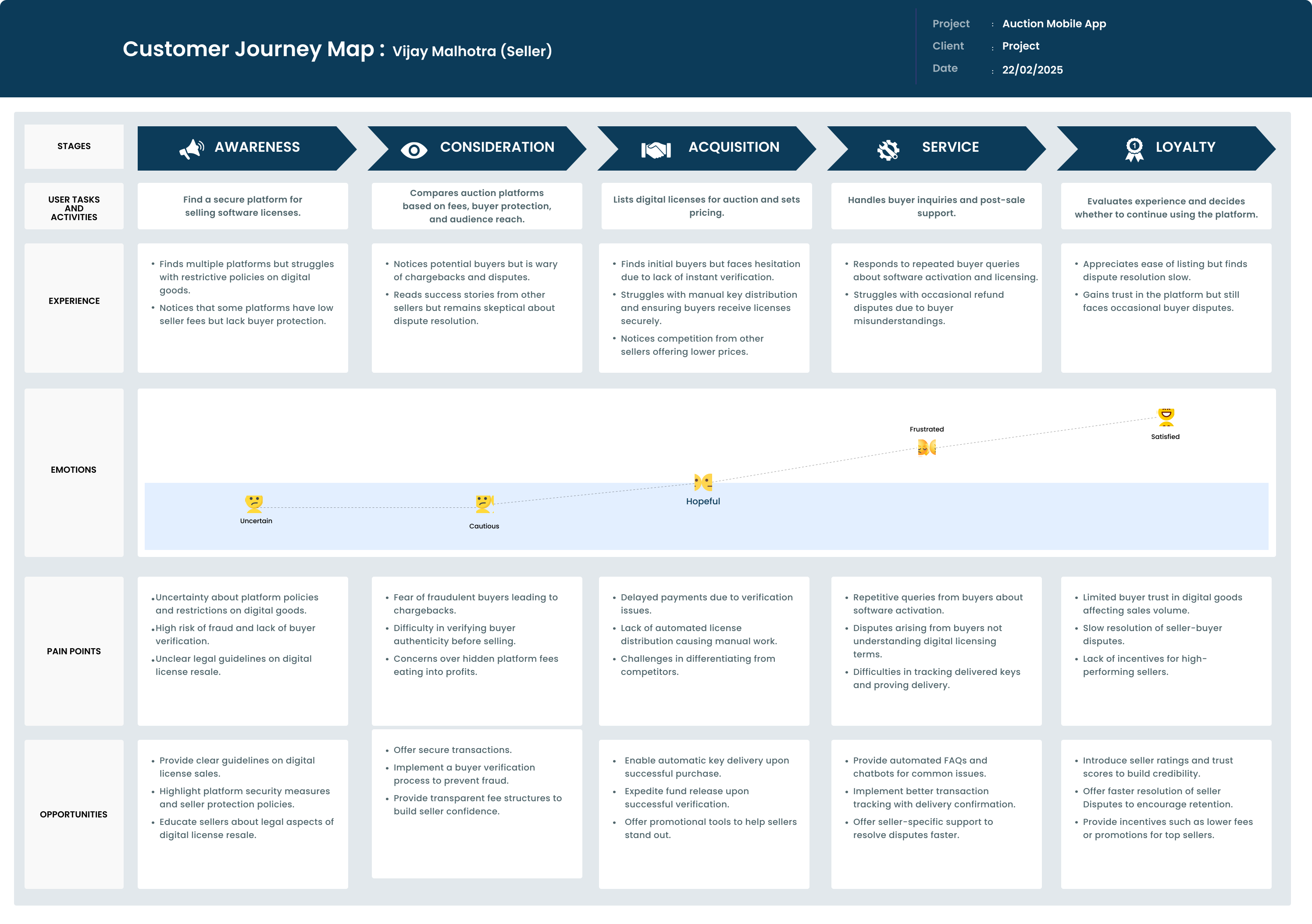
User Journey
Create HMWs, user flows, and IA.
HMW Statements
For Buyers:
Unverified Listings - How might we ensure that all auction listings are verified to build trust and prevent fraud for buyers?
Stressful Bidding - How might we simplify and clarify the bidding process so buyers can easily place and track bids in real-time without confusion?
Legitimacy Concerns - How might we build a transparent system that validates sellers and products, giving buyers confidence in every transaction?
Shipping Issues - How might we provide clear, reliable shipping information and seller communication channels to eliminate buyer uncertainty?
For Sellers:
Trust Barriers - How might we help sellers build credibility through reputation systems and verified profiles, enabling easier engagement with buyers?
Value Gaps - How might we provide useful analytics and promotional tools that help sellers maximize the visibility and success of their auctions?
Operational Challenges - How might we streamline the auction listing process, including bulk uploads, to make managing multiple auctions easier and faster?
Platform Restrictions - How might we offer flexible listing templates and customization options so sellers can represent their products better without being constrained?
User Flow

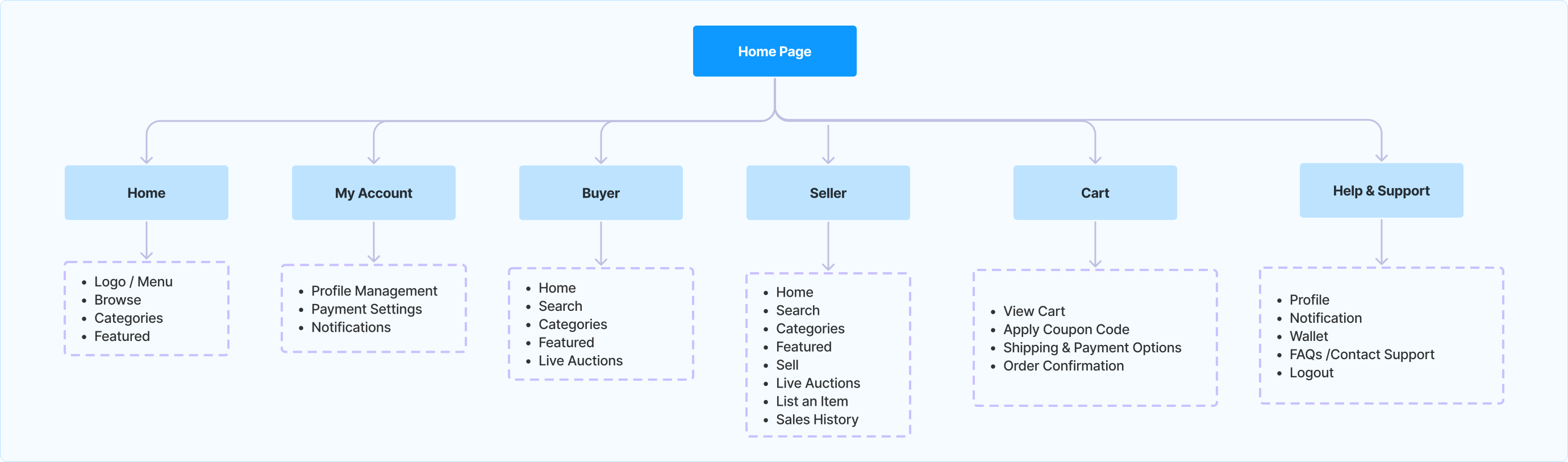
Information Architecture
Designed wireframes → high-fidelity UI.
Moving on to the exciting phase of building the user interface.
To visualize and iterate on my ideas, I began by creating digital low-fidelity wireframes directly on my PC.
This approach enabled rapid prototyping, easy adjustments, and ensured the layout aligned well with typical screen sizes used in India.
Once the structure and user flows were validated, I transformed these wireframes into high-fidelity designs using Figma,
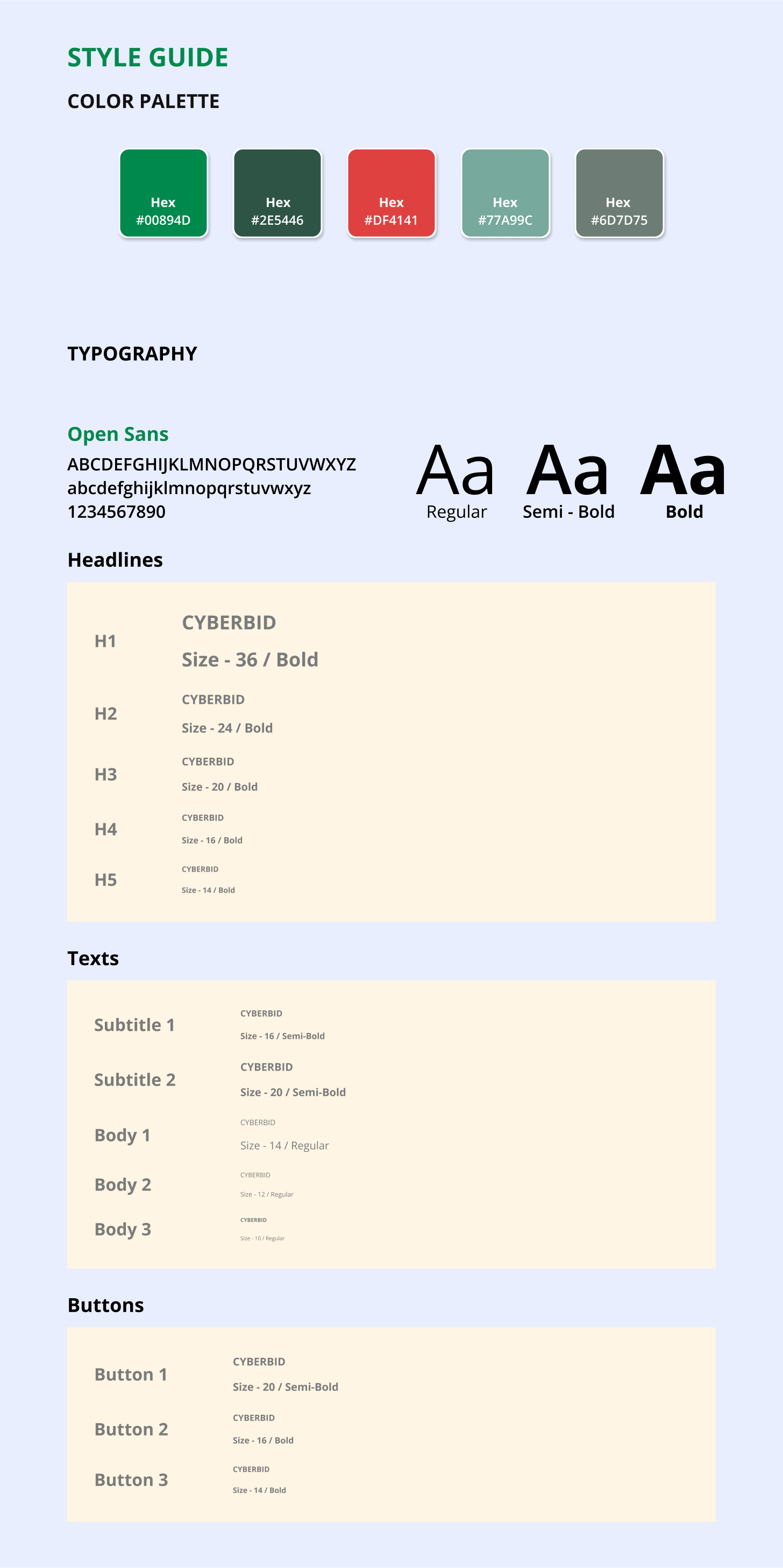
applying the e-auction platform’s brand colors, typography, and iconography for a consistent and professional look.

Auction App – Clickable Prototype & User Testing
Summarized future scope & key learnings.
Future Scope
○ Integrate AI-driven product recommendations based on user bidding history, preferences, and past purchases.○ Introduce real-time bid tracking and automated alerts for price changes or competing bids.
○ Implement seller and product verification badges to enhance trust and reduce fraud.
○ Expand seller support tools, including bulk upload features, analytics dashboards, and promotional tools.
○ Add a mobile app version with offline mode to manage auctions and track bids on the go.
Key Learnings
○ Integrate AI-driven product recommendations based on user bidding history, preferences, and past purchases.○ Introduce real-time bid tracking and automated alerts for price changes or competing bids.
○ Implement seller and product verification badges to enhance trust and reduce fraud.
○ Expand seller support tools, including bulk upload features, analytics dashboards, and promotional tools.
○ Add a mobile app version with offline mode to manage auctions and track bids on the go.
Explore More Work
Discover additional projects and creative explorations on my professional platforms
Behance Portfolio
Curated collection of UI/UX case studies and design process documentation
ArtStation Gallery
3D modeling, VFX work, and digital art showcasing technical artistry
LinkedIn Profile
Professional network, recommendations, and career journey insights
Ready to Create Something Extraordinary?
Let's collaborate and bring your vision to life with the perfect blend of technical artistry and user-centered design thinking.